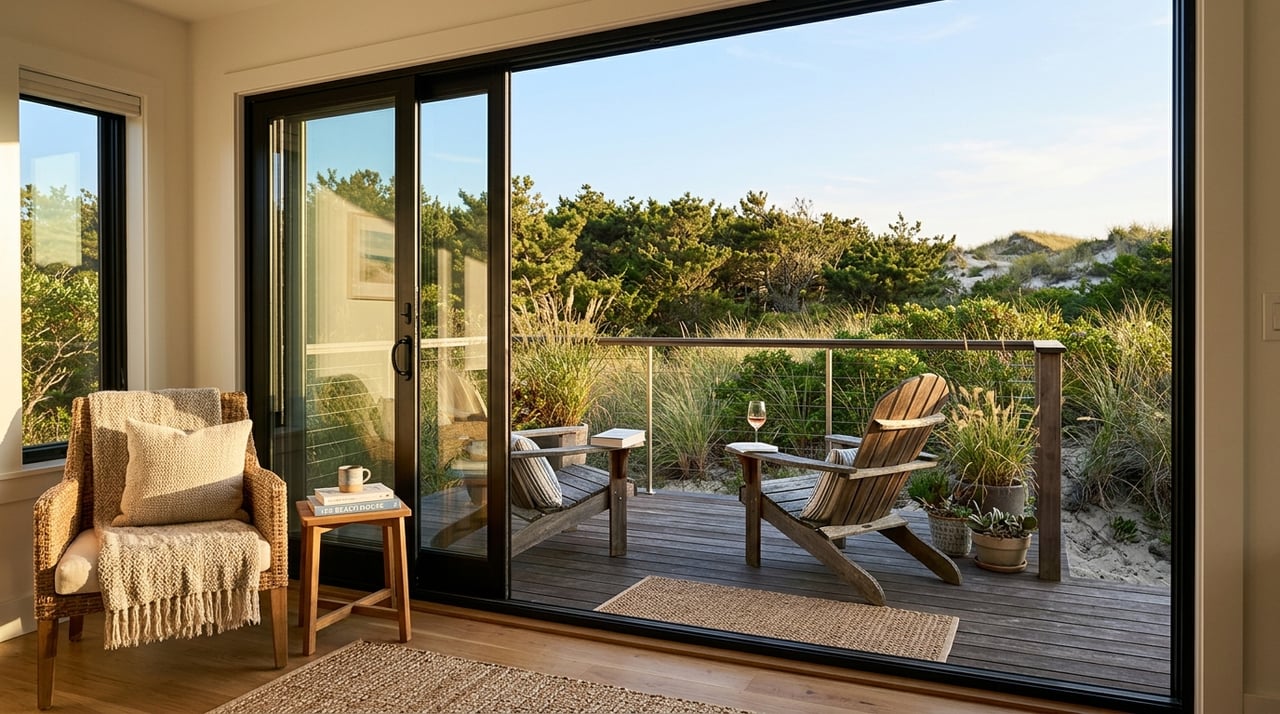
What Owning a Cape Cod Vacation Home Is Really Like
May 7, 2026
May 7, 2026
Dreaming about a place on Cape Cod sounds easy. Living with one is a little more layered. If you are thinking about buying a vacation home here, it helps to know that the Cape offers much more than beach days and summer weekends. You also need to understand the seasonal rhythm, local access rules, and the reality of caring for a home when you are not there. Let’s dive in.
Owning a vacation home on Cape Cod means stepping into a place with a strong seasonal pattern. Cape Cod is the same as Barnstable County, and the county is officially divided into 15 towns across the Upper, Mid, Lower, and Outer Cape. That matters because the day-to-day experience can feel very different depending on where your home is located.
The numbers help explain why. Barnstable County had a 2020 Census population of 228,996, yet second homes make up a major share of the housing stock. The Cape Cod Commission reported that second-home owners occupied nearly 40% of residential units, and the region-wide vacancy rate was 37.31%, which the Commission uses as a proxy for seasonal or second homes.
In some Lower and Outer Cape areas, more than half of the housing is seasonal. That means your neighborhood may feel lively and full in July, then much quieter in late fall and winter. For many owners, that contrast is part of the appeal. For others, it takes some adjustment.
Cape Cod is famous as a summer destination, but ownership is not just about peak season. The Cape Cod Chamber describes the shoulder seasons as running from September into early June, and even calls fall the Cape’s Second Summer. If you own here, you may find that September and October become some of your favorite times to visit.
At the same time, services and activity can shift with the calendar. Some visitor centers are open year-round, while others are seasonal. Some local organizations keep full summer hours and then move to reduced schedules in spring and fall.
That does not mean the Cape shuts down. Regional planning materials make clear that civic and community life continues year-round. Still, many businesses, events, and services ramp up significantly in summer, especially in Lower and Outer Cape towns where employment is closely tied to visitors and second-home activity.
For many owners, a Cape home is not just a place for a few holiday weekends. The Cape Cod Commission’s 2021 second-homeowner survey found that many owners use their homes in a flexible way, especially with remote and hybrid work. Forty-four percent said the pandemic increased their personal use of the home.
Even so, fewer than half planned to relocate permanently. Among those who did expect to move full time, only 9% said they expected to work full time, while more than two-thirds expected to retire. That points to an ownership style that often blends getaway use, longer seasonal stays, and future planning.
There is also a strong family connection in many cases. The same survey found that 26% of respondents said their Cape property was not the first family property on the Cape, and 71% of those families had owned Cape property for more than 25 years. In other words, ownership here often becomes part of a long-term family story.
When people picture Cape Cod, they usually picture the beach first. That makes sense. Beach access is one of the biggest lifestyle drivers for vacation homeowners, but it is not always as simple as showing up with a chair and towel.
On Cape Cod National Seashore beaches, seasonal operations affect your experience. Lifeguards are typically on duty from late June through Labor Day, and seasonal fees apply in spring, summer, and fall. Some services, including certain visitor facilities, also operate on a seasonal basis.
Town rules matter too. Barnstable issues nonresident weekly recreation parking permits for certain public bathing beaches. Sandy Neck Beach Park requires a Sandwich or Barnstable beach parking sticker or pass during business hours, and access can tighten when parking lots fill up.
That means one of the real parts of ownership is learning the local system. If you buy on the Cape, you will likely get used to checking parking rules, permit options, and beach capacity during peak weeks. It becomes part of the routine.
One of the best parts of owning here is that outdoor living does not stop with the shoreline. The Cape Cod Rail Trail gives owners a 26-mile path from Yarmouth to Wellfleet. It also connects with the Cape Cod National Seashore and Nickerson State Park, making it a dependable option for biking and walking in more than just summer.
That matters because vacation home ownership feels richer when your lifestyle is not tied to one activity. A bike ride, a long walk, or a quiet shoulder-season afternoon outdoors can make the home feel useful well beyond peak beach months. For many owners, that is part of what turns a vacation property into a regular retreat.
Water quality is also part of normal beach use on the Cape. Barnstable County samples public beaches during the summer season and posts pass or fail results through an interactive dashboard. For homeowners, checking conditions can become as routine as checking the weather.
There is no getting around it. Summer is the Cape’s busiest time, and you will feel that as an owner. Roads, beaches, parking areas, and local businesses all reflect the seasonal surge.
Transportation is one of the clearest examples. The Bourne and Sagamore bridges are the Cape’s only vehicular connection to the mainland. According to the Cape Cod Commission, peak summer Sunday traffic reaches about 165,400 trips, compared with about 80,000 average daily off-season trips.
That helps explain why a Friday arrival or Sunday departure in July can feel very different from a midweek October visit. If you own a vacation home here, part of the lifestyle is planning around peak travel times. Many owners simply learn which days and times feel easier and build their routines around them.
This is the part many buyers underestimate. A Cape Cod vacation home may be all about leisure in summer, but winter is not passive. Off-season ownership means paying attention to weather, systems, and emergency planning.
Barnstable County’s emergency planning guidance says Cape Cod faces hurricanes, flooding, winter weather, and hot weather. Winter guidance advises residents to keep emergency supplies on hand and be ready to shelter if heating or supplies become inadequate. Mass.gov also warns that winter weather can lead to heavy snow, burst pipes, and ice dams, especially when a home is left unheated or unoccupied.
In practical terms, this means your vacation home still needs an active plan even when you are away. Heating, weather checks, and regular property attention matter. The dream may be coastal relaxation, but ownership also includes steady stewardship.
Owning on Cape Cod is not just about arriving and unlocking the door. It often involves active local spending, routine errands, and property upkeep while you are in town. The Cape Cod Commission’s 2017 survey found that 95% of second homeowners said they buy groceries, garden supplies, and building materials on Cape.
The same survey found that 60% use off-Cape vendors for certain services because those services are not needed while they are away. That suggests a very practical ownership rhythm. When you are on Cape, you are often handling real household tasks, not just vacation plans.
It is also worth noting that most owners are not heavily using their homes as rentals. In that survey, 71% said they had not rented their homes in the previous five years. For many people, the property functions first as a personal retreat and family base.
Cape Cod vacation home ownership tends to work best if you enjoy the full rhythm of the place. You may love it if you want strong summer energy, meaningful outdoor access, and a home that can support weekends, longer stays, and future retirement plans. You may also appreciate it more if you enjoy returning to the same place year after year and building routines around it.
It helps to be comfortable with seasonal crowds, local permit systems, and the responsibilities of maintaining a property through changing weather. In many ways, owning here is part beach-town escape and part practical homeownership. That mix is exactly what many buyers end up loving.
If you are exploring vacation home options in Massachusetts and want thoughtful, personalized guidance, Christine Lavery - Main Site is here to help you think through the lifestyle, the logistics, and what makes the right fit for your goals.
Stay up to date on the latest real estate trends.


We'd love to hear from you! Whether you're buying, selling, or just exploring your options, we're here to provide answers, insights, and the support you need. Contact us and start planning your next move.