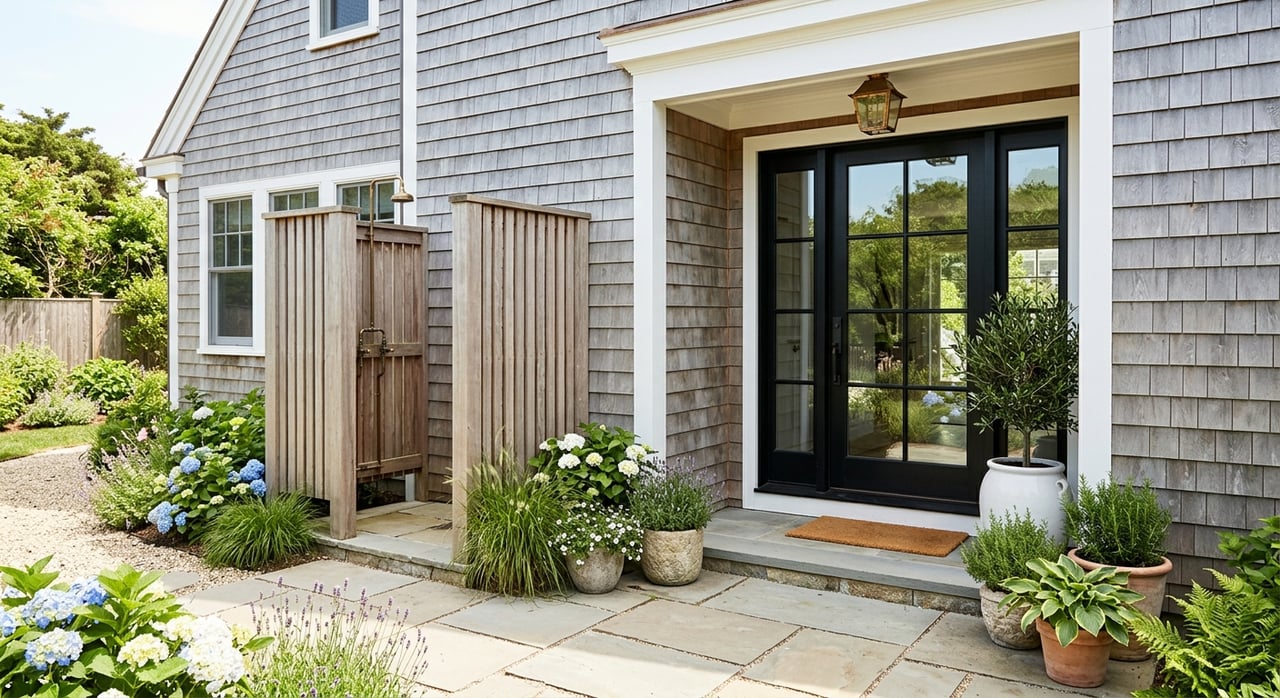
Comprehensive Cape Cod Second Home Buying Guide
April 16, 2026
April 16, 2026
Dreaming about a place on Cape Cod sounds simple until you start running the numbers, comparing towns, and thinking through how often you will really use it. A second-home purchase in Barnstable County can be exciting, but it also comes with a different set of questions than buying a primary residence. If you are planning a Cape Cod getaway home, this guide will help you think through pricing, financing, rental plans, carrying costs, and due diligence before you make an offer. Let’s dive in.
Cape Cod is not just a scenic destination. It is also a high-priced, supply-constrained housing market with strong seasonal demand. According to Barnstable County registry reporting, the median sale price reached $647,000 in January 2026, while the same report noted continued market activity even as sales volume cooled.
That pricing lines up with the broader trend that buyers feel across the Cape. Public data cited in the same Barnstable County market update showed homes were still selling at a 96.9% sale-to-list ratio, with a median 68 days on market. In other words, this is not an instant-fire market in every case, but well-positioned homes are still moving.
One of the biggest reasons Cape Cod can feel competitive is that a large share of the housing stock is not serving full-time residents. Massachusetts seasonal housing data says about 36% of Barnstable County homes are seasonal, recreational, or occasional-use properties, and about 10% are registered as short-term rentals.
That matters if you are shopping for a second home because you are entering a market where supply is naturally limited. The Cape Cod Commission's regional housing strategy also notes that 80% of the region's housing stock is detached single-family homes and only 2% of land is zoned by right for buildings with more than two units. For buyers, that means fewer replacement options and less flexibility in the housing mix.
The purchase price is only the beginning of your second-home budget. You will also want to account for down payment, closing costs, taxes, insurance, maintenance, and seasonal upkeep. Freddie Mac's closing guidance says closing costs commonly run about 2% to 5% of the loan amount.
If you plan to put less than 20% down on a conventional loan, the CFPB notes that mortgage insurance is typically required. That extra monthly cost can affect whether a second home still feels comfortable in your overall financial plan.
Property taxes also vary by town, which can make one Cape Cod home more expensive to carry than another even at a similar price point. Massachusetts property tax guidance explains that taxes are set locally based on assessed value, each town's levy, and the local tax rate.
Before you fall in love with a property, it helps to understand how lenders define a second home. Fannie Mae's occupancy rules say a second home must be a one-unit dwelling that you occupy for part of the year, that is suitable for year-round occupancy, under your exclusive control, and not a rental property or timeshare.
This is a key planning point on Cape Cod, where many buyers hope to enjoy the home personally and also offset costs with some rental income. Fannie Mae says rental income can still coexist with second-home treatment if that income is not used to qualify for the mortgage and the other second-home requirements are met. Still, if the use starts looking more like a business or a full-time rental operation, the property may be treated more like an investment purchase.
Some buyers also tap equity from a primary residence to help fund a second-home purchase. The CFPB's explanation of piggyback second mortgages describes how a home equity loan or HELOC can add another layer of borrowing. That approach may help with cash flow, but it also raises your total household debt, so it needs careful review.
A second-home purchase is different from a first-home purchase in more ways than one. For example, Fannie Mae states that employer assistance funds are not allowed on a second home or investment property.
That means you should not assume every buyer assistance tool will apply just because it worked for a primary residence scenario. If you are building a purchase strategy, it is worth confirming early which funds, loan structures, and reserves are actually available for your intended use.
On Cape Cod, flood risk is not a side issue. It should be part of your early screening process, especially for homes near the coast, bays, marsh areas, or other low-lying locations. FEMA explains that a high-risk flood area carries a 1% annual chance of flooding, which works out to roughly a one-in-four chance over a 30-year mortgage.
You can check maps through FEMA's Flood Map Service Center, and that step can affect both financing and ownership costs. FEMA also notes that most homeowners insurance does not cover flood damage, and federally backed or regulated loans generally require flood insurance for homes in high-risk flood zones.
Flood planning matters even beyond the mapped zones. Massachusetts climate guidance referenced by FEMA points to growing flooding concerns tied to sea level rise, tidal flooding, and storm surge. For a second-home buyer, that means insurance quotes and flood-zone review should happen before you are deep into the transaction.
A Cape Cod property can be harder on your budget after closing than an inland home. Salt air, wind, storms, sandy soils, and winter conditions all add wear and tear. Massachusetts homeowner guidance recommends routine steps like roof inspections, gutter cleaning, heating-system service, hose disconnection, and snow and ice management to reduce weather-related damage.
Exterior conditions also matter. Massachusetts coastal landscaping guidance notes that coastal environments are tougher on exteriors and plantings because of wind, salt spray, storm exposure, and sandy soil conditions.
If you will not be at the property full-time, think about who will monitor the home in off-season months. Even a well-kept second home can become expensive quickly if a leak, heating issue, or storm problem goes unnoticed.
Older Cape homes often come with extra infrastructure questions, and wastewater is one of the most important. Massachusetts announced updated watershed protection rules aimed at reducing nitrogen impacts from primarily septic systems.
For you as a buyer, that means septic condition, system capacity, and future compliance considerations should be part of your due diligence. This is especially important if you expect heavier use, more guests, or any rental activity that increases occupancy patterns.
Many second-home buyers hope short-term rentals will help cover carrying costs. That can be part of the equation, but the math needs to be realistic. Massachusetts short-term rental tax guidance says the state room occupancy excise is 5.7%, and cities or towns may add up to 6% more. Some rentals may also be subject to a community impact fee of up to 3%, and Barnstable County towns also participate in the Cape Cod and Islands Water Protection Fund, which adds a 2.75% excise on occupancies subject to room occupancy tax.
There are also registration and reporting rules to understand. Massachusetts guidance for short-term residential rentals says operators and intermediaries must register each property through MassTaxConnect, even if no tax is owed. The same guidance notes that taxes may apply to cleaning, linen, and booking fees, not just the nightly rent.
That is why it is smart to analyze rental income on gross receipts and net carrying costs, not just on an optimistic nightly rate. You will also want to confirm that your intended level of rental use still fits your financing classification if you are buying as a second home.
If you are planning a second-home purchase on Cape Cod, a thoughtful process can save you time and money. The market has strong appeal, but it also demands careful planning because of pricing, seasonality, flood exposure, financing rules, and operating costs.
A practical buying plan often includes these steps:
When you approach the purchase with clear numbers and property-specific due diligence, you are far more likely to end up with a Cape Cod home that supports your lifestyle instead of straining it.
If you are weighing a second-home purchase and want steady, practical guidance through the decision-making process, Christine Lavery - Main Site is here to help you think through the numbers, the tradeoffs, and the steps that matter most.
Stay up to date on the latest real estate trends.





We'd love to hear from you! Whether you're buying, selling, or just exploring your options, we're here to provide answers, insights, and the support you need. Contact us and start planning your next move.