How to Prepare Your Keene NH Home for Sale
May 21, 2026
May 21, 2026
Wondering what really matters before you list your home in Keene? In this market, a quick clean-up is rarely enough. Because many Keene homes are older, and because buyers pay close attention to condition, systems, and paperwork, the best results usually come from preparing early and preparing thoroughly. This checklist will help you focus on the updates, documents, and presentation details that can make your home easier to market with confidence. Let’s dive in.
Keene has a large share of older homes, which shapes what buyers notice and what sellers should address before listing. The city’s 2025 Housing Needs Assessment says 35% of the housing stock was built before 1940, and the median year built was 1956 or 1957.
That means age-related issues can come up more often during showings, inspections, and negotiations. It also means good preparation is not just about looks. It is about reducing surprises and helping buyers understand the home clearly.
Keene is also a year-round market, not a seasonal one. Seasonal housing makes up under 2% of the city’s housing stock, so most buyers are looking at homes as full-time residences with everyday comfort, function, and maintenance in mind.
Before you think about décor, focus on the items most likely to raise questions. Common trouble spots during inspections include structural or foundation concerns, poor drainage, faulty wiring, HVAC issues, and missing or inadequate smoke and carbon monoxide alarms.
If your home has older systems or known weak spots, this is the time to decide what to repair, what to service, and what to document. Even when you do not plan to fix a major item, it helps to get a repair or replacement estimate so buyers have a clear frame of reference.
In a market like Keene, these practical fixes often do more for buyer confidence than cosmetic upgrades alone. A home that feels cared for tends to show better and negotiate better.
Weather is a real part of the prep conversation in Keene. The city’s housing report says 6% of housing was classified as highly vulnerable to flood or climate impacts and 16% as moderately vulnerable. Residents also reported flooding and weather-related issues in the local survey.
That makes moisture control an important part of your checklist. Buyers may look closely at basements, grading, roof drainage, and any signs of past water problems, especially in older homes.
Keene also sees meaningful snowfall and precipitation through the year. NOAA climate normals for Keene show average annual snowfall of 59.8 inches and annual precipitation of 46.11 inches. For winter or early spring listings, snow removal, safe walkways, and clear exterior access matter more than many sellers expect.
A pre-listing inspection is optional, but it can be especially useful for older Keene homes. If you already know your home has a few age-related issues, getting ahead of them can give you more control over timing, repair decisions, and pricing strategy.
A pre-listing inspection can also help you avoid learning about a major issue only after your home is under contract. Buyers may still conduct their own inspection, but having your own information early can help you prepare disclosures and decide whether to repair, price accordingly, or list as-is.
The goal is not perfection. The goal is clarity.
In New Hampshire, disclosure prep should happen before your listing goes live, not after. State law requires written pre-contract notification for properties with buildings about radon, arsenic, lead, PFAS, and flood.
There are also required written disclosures about private water supply and sewage disposal information for properties with buildings. For one- to four-family dwellings, disclosure requirements also include private water and sewage details, insulation, and whether the property is in a federally designated flood hazard zone. If information is unknown, that must be stated in writing.
If your home has been tested for radon before listing, those results should be ready to share. New Hampshire DHHS notes that any home can have a radon issue, regardless of age or location.
If the property is a condominium, there is another step. The seller must notify the buyer of their right to obtain the condo declaration, bylaws, rules, fee information, and recent special-assessment details from the association.
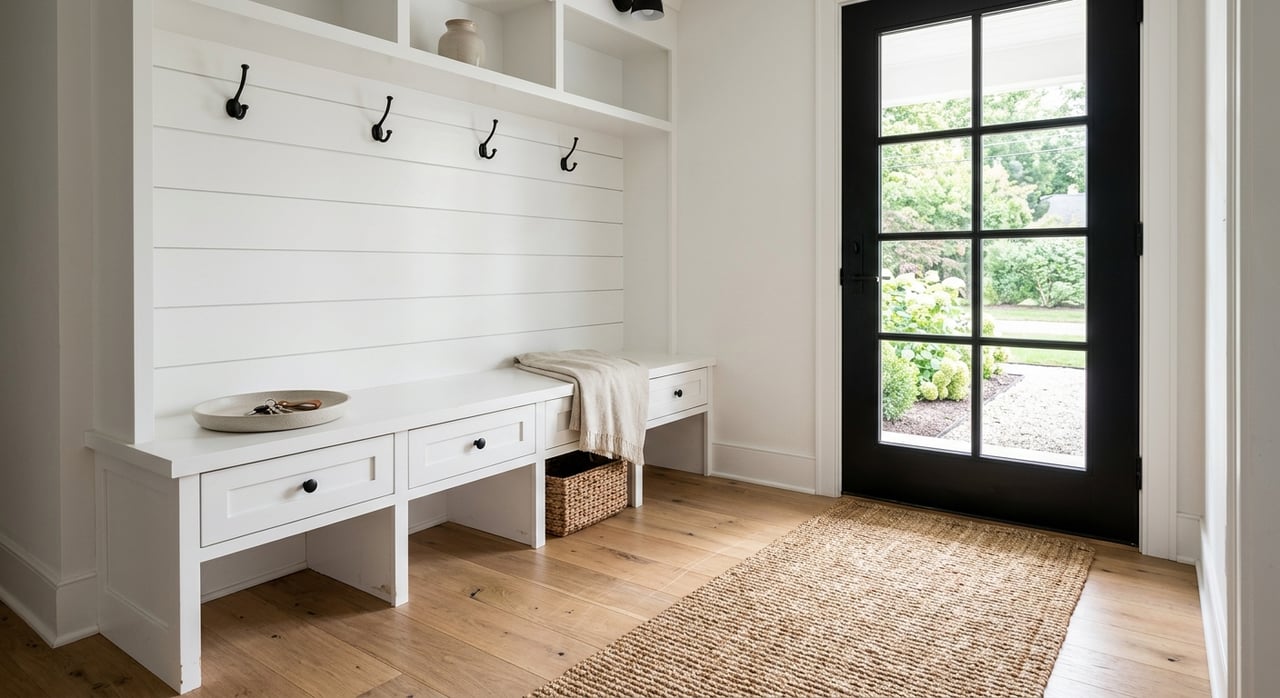
Once the home is functionally ready, shift to presentation. Staging is not just about furniture. It includes cleaning, decluttering, repairing, depersonalizing, and making the home easier for buyers to picture as their own.
That matters because presentation affects how buyers respond both online and in person. NAR’s 2025 staging profile says 83% of buyers’ agents felt staging made it easier for buyers to visualize the home.
In Keene, where many buyers may value practical, manageable living, clear room-by-room function can go a long way. The city’s household data shows an average household size of 2.2, with 40% of residents living alone, which suggests efficient and easy-to-understand spaces may resonate with buyers.
If you are deciding where to spend your time and money, prioritize the spaces buyers tend to notice most. The most commonly staged rooms are the living room, primary bedroom, and dining room.
Those rooms do not need to feel fancy. They need to feel bright, open, and easy to use.
Remove oversized furniture, tidy cords, and create a simple seating layout that shows the room’s purpose. Let in as much natural light as possible.
Use neutral bedding, reduce furniture if needed, and keep surfaces mostly clear. The room should feel restful and spacious.
Make sure scale is right for the room and remove extra pieces that crowd circulation. Even a modest dining area should feel usable and inviting.
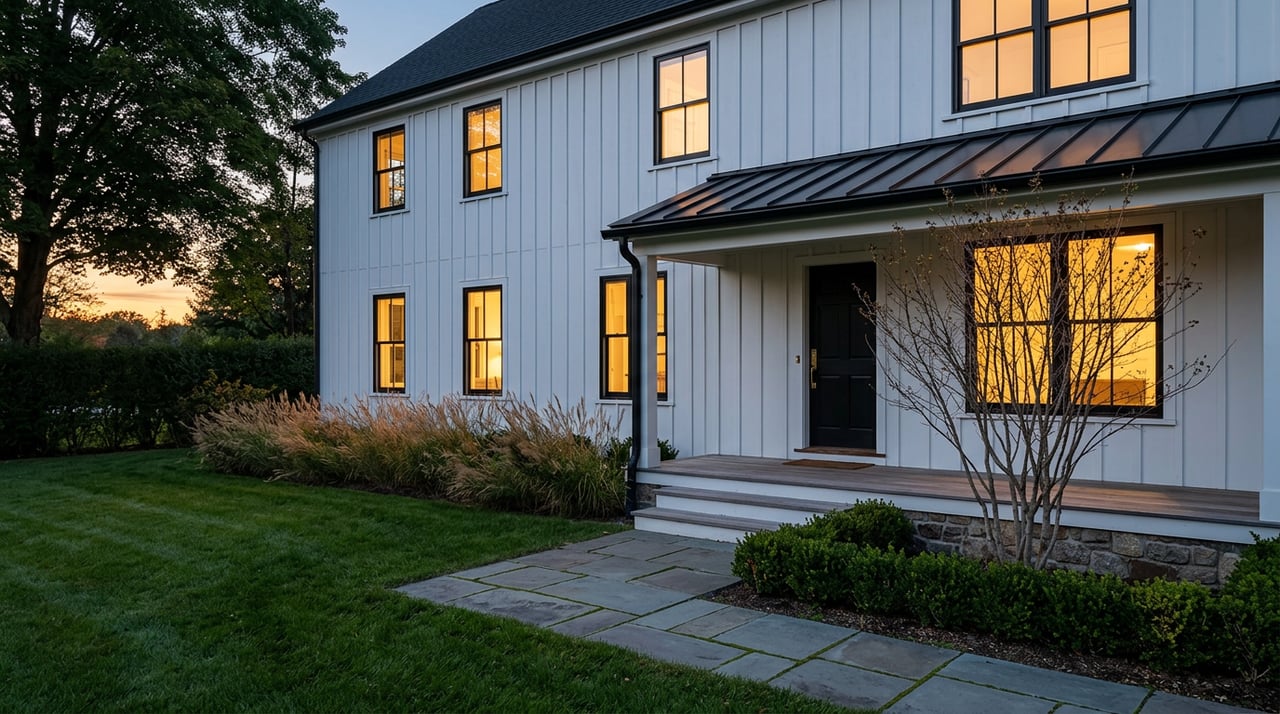
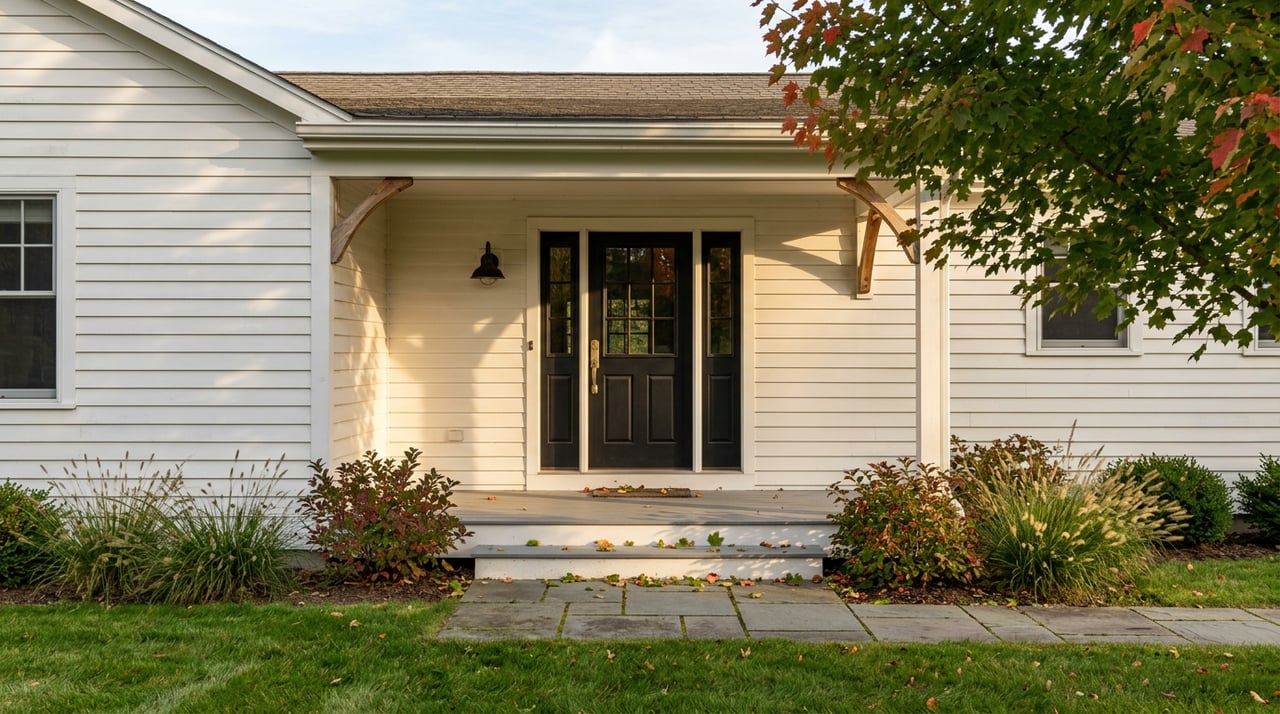
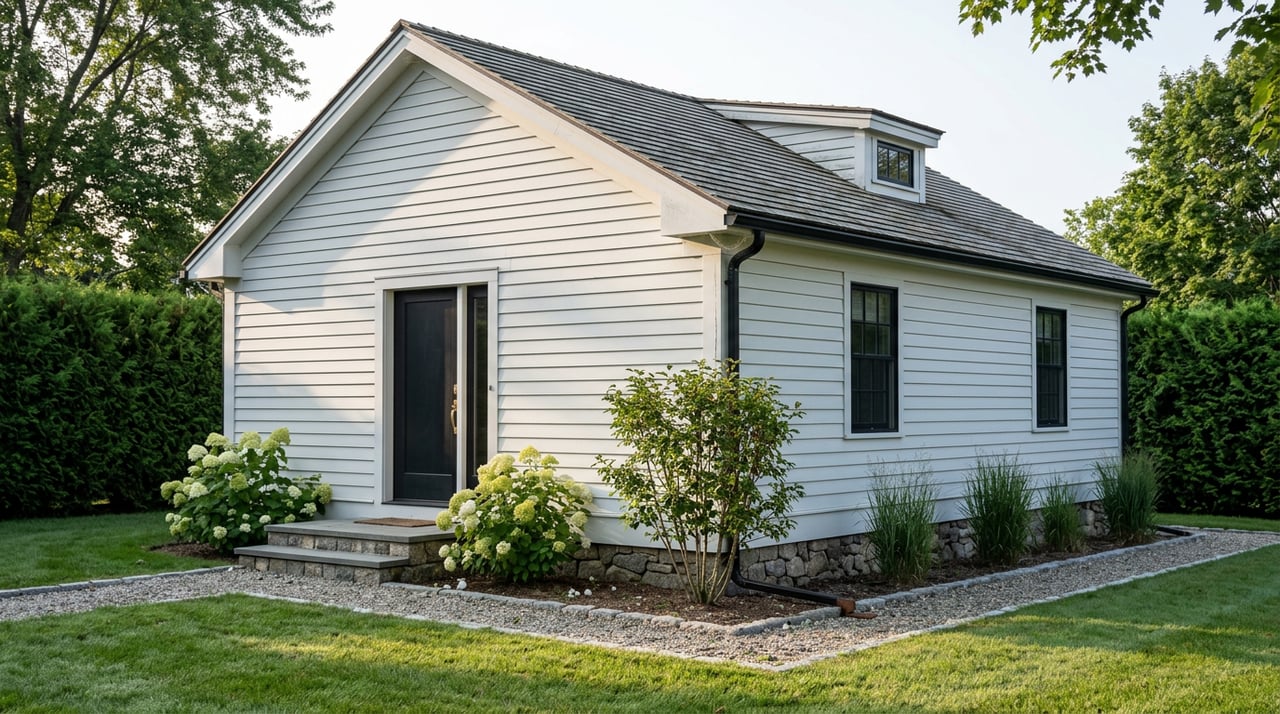
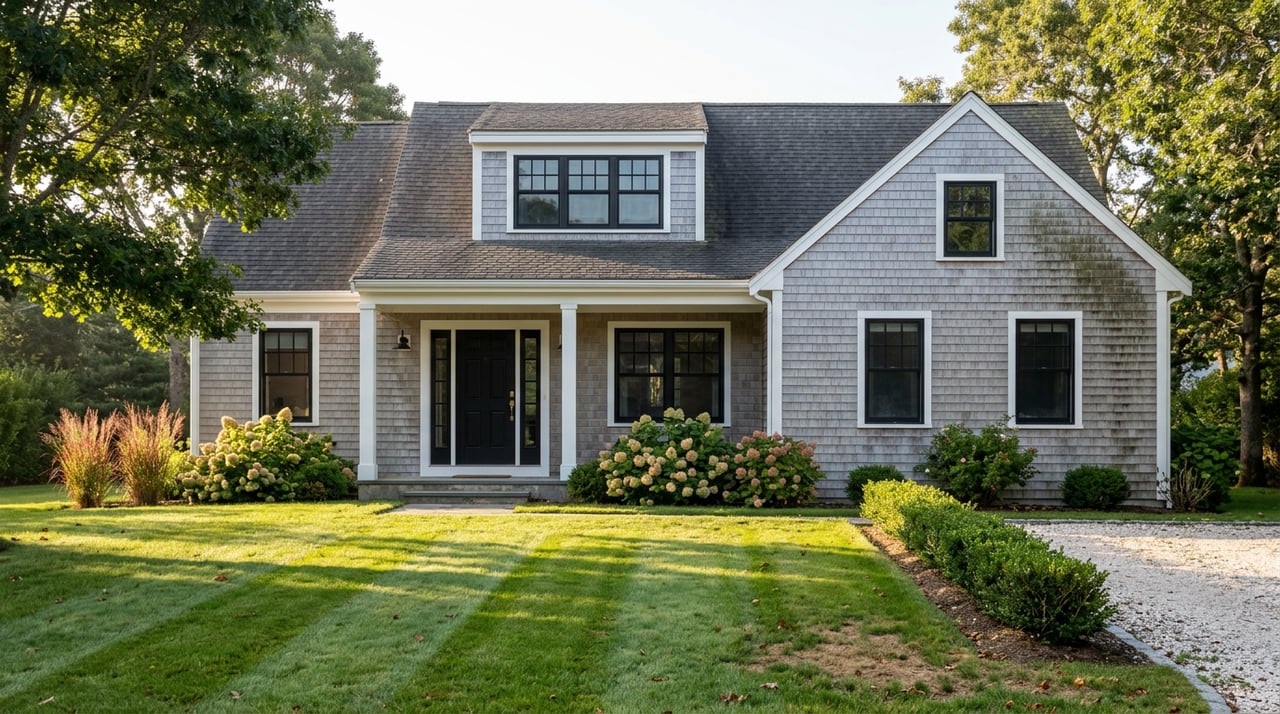
Buyers usually see your home online before they ever step inside. That means exterior appearance matters not only for showings, but also for photography and first impressions.
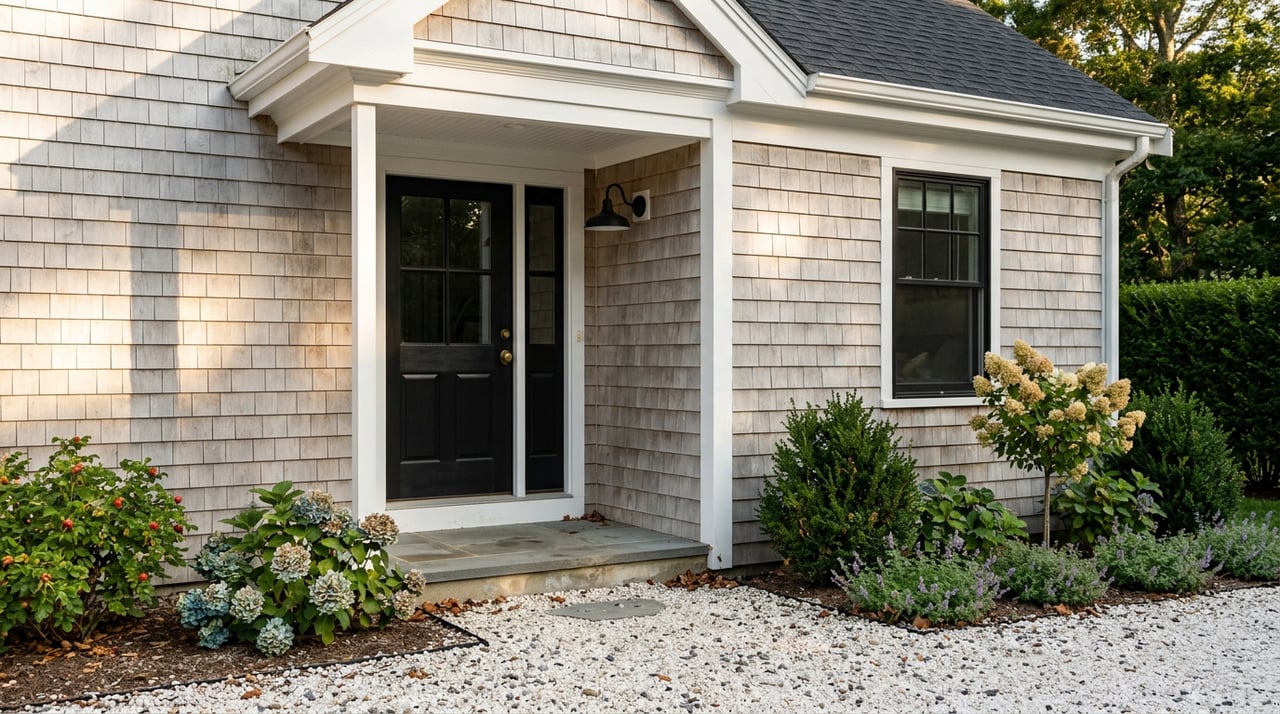
Simple curb appeal improvements can make a real difference. Landscaping, paint touch-ups, and a neat front entrance can help the home look more appealing in listing photos.
For colder months, add snow and ice management to the list. A clean, accessible entrance helps buyers feel more comfortable from the start.
Not every seller needs to complete every repair. In many cases, the smartest move is to separate issues into three buckets: fix now, disclose and document, or price accordingly.
This is where local pricing and presentation strategy matter. In a city with older housing stock, buyers may accept age-related features or deferred updates if the home is priced realistically and the condition is clearly explained.
A thoughtful plan can help you avoid overspending on low-return projects while still presenting the property well. The right balance depends on the home’s condition, competition, and likely buyer expectations in your price range.
Here is a simple way to organize your next steps.
| Area | What to Do |
|---|---|
| Major systems | Address structural, drainage, HVAC, electrical, and safety alarm concerns |
| Moisture control | Check basement dampness, grading, gutters, downspouts, and sump pump |
| Inspection prep | Consider a pre-listing inspection for older homes or known issues |
| Disclosures | Gather required New Hampshire disclosure information and supporting records |
| Documents | Organize manuals, warranties, invoices, and system history |
| Interior prep | Clean, declutter, depersonalize, and define each room clearly |
| Staging focus | Prioritize living room, primary bedroom, and dining room |
| Exterior prep | Improve curb appeal and keep access safe and clear |
Preparing your home for the market in Keene is really about two things: reducing uncertainty and increasing appeal. When your home is clean, documented, and thoughtfully presented, buyers can focus on its value instead of its unknowns.
If you are getting ready to sell in Keene, we can help you decide which updates matter most, how to position your home in the current market, and how to prepare for a smoother listing process. Reach out to Christine Lavery - Main Site for a free local market consultation and home valuation.
Stay up to date on the latest real estate trends.


We'd love to hear from you! Whether you're buying, selling, or just exploring your options, we're here to provide answers, insights, and the support you need. Contact us and start planning your next move.