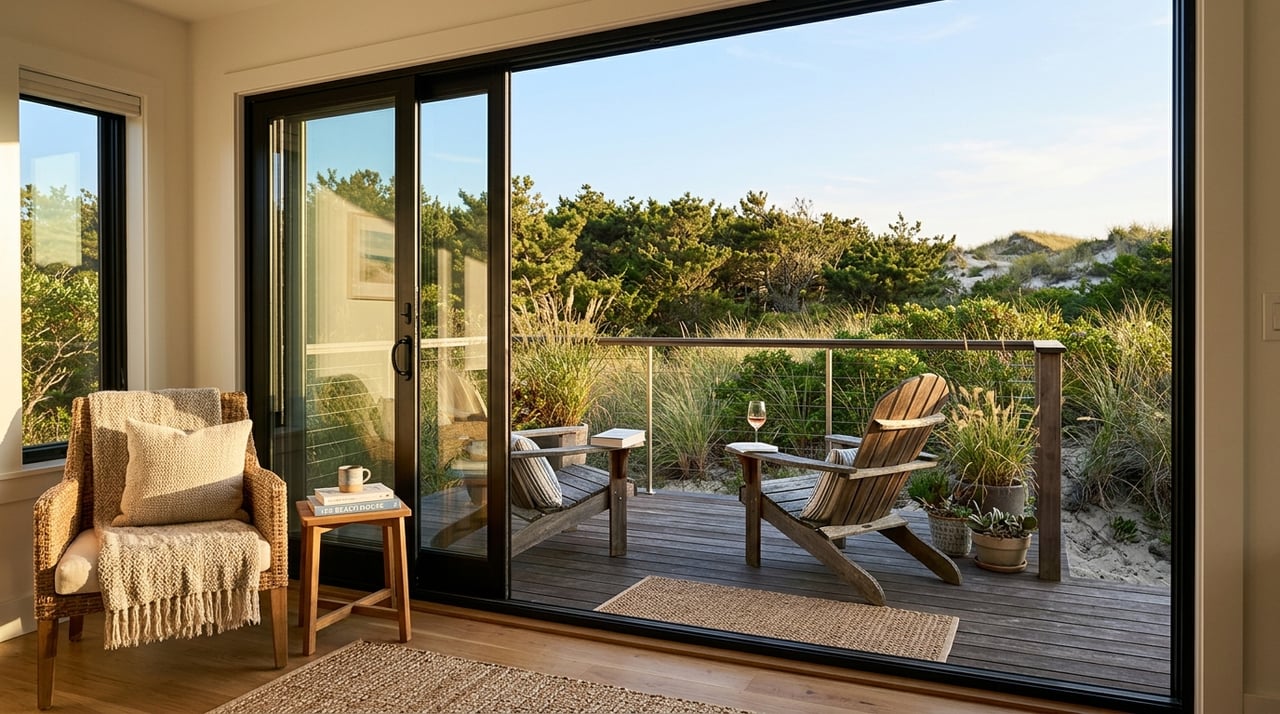
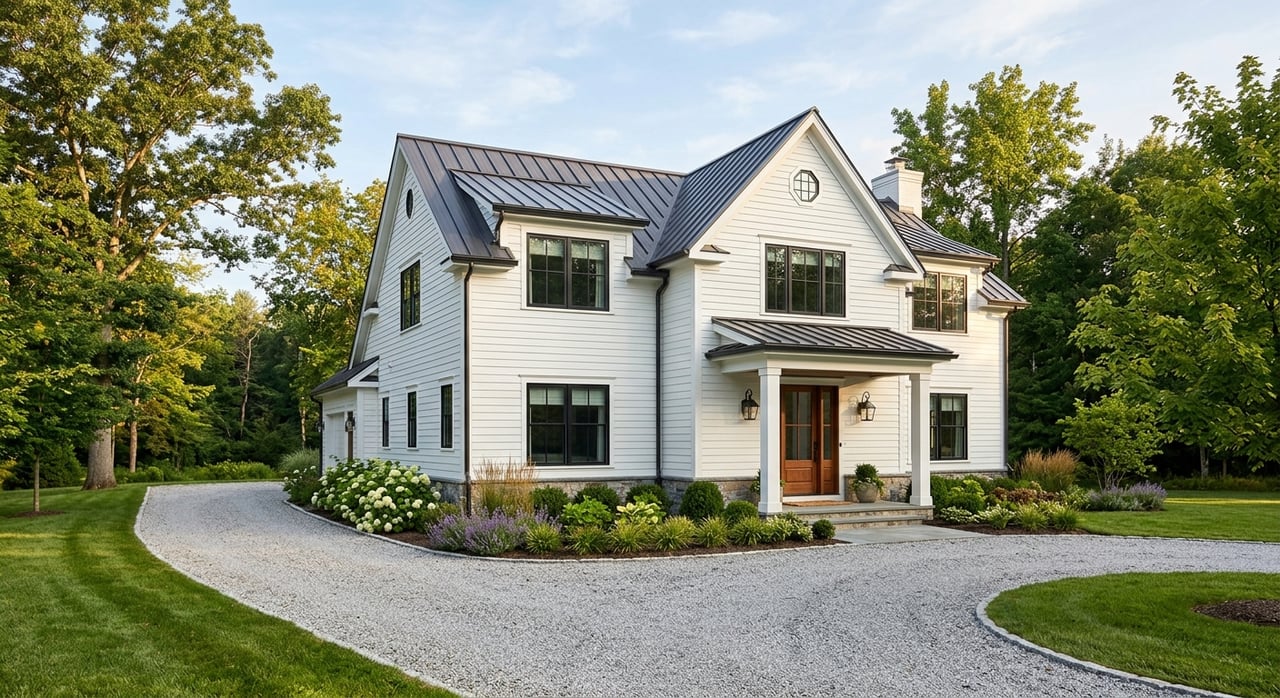
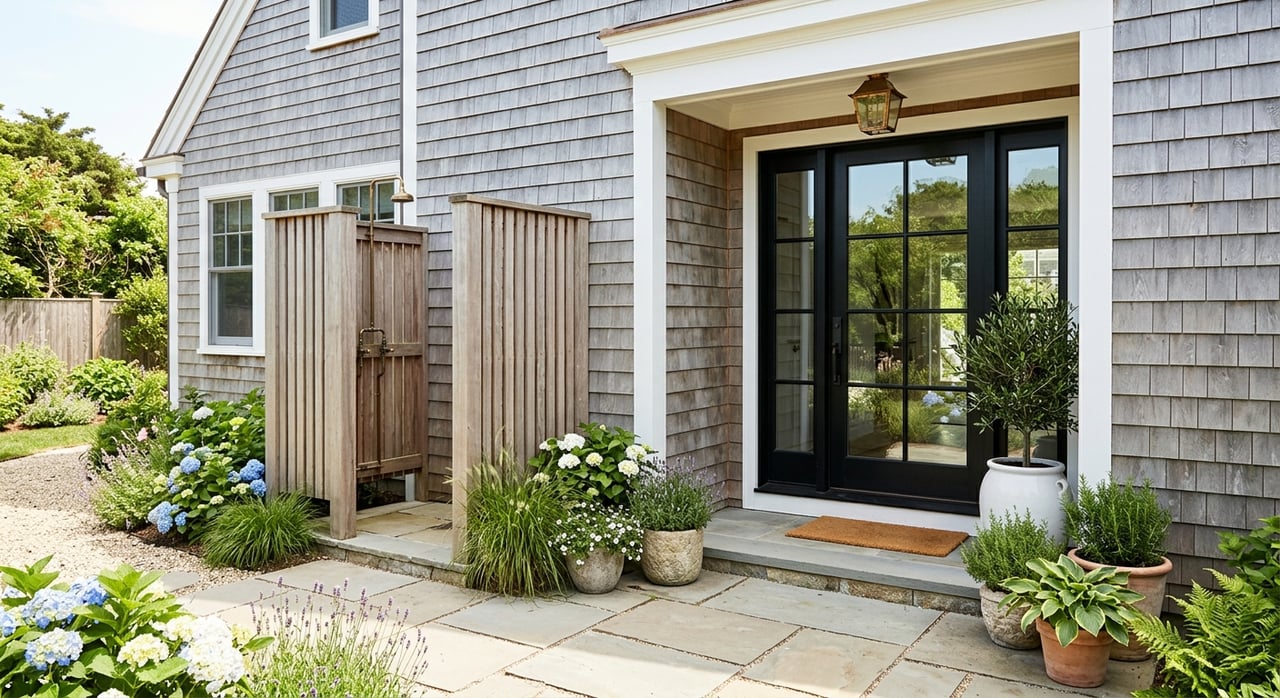
Thinking about making Cape Cod your next home? With 15 distinct towns, stunning shorelines, and classic New England villages, Barnstable County offers a lot to love. Choosing where to land can feel overwhelming, especially if you are balancing coastal dreams with daily needs like commuting, services, and budget. This guide gives you a clear, practical look at towns, lifestyle tradeoffs, property types, and key regulations so you can move forward with confidence. Let’s dive in.
Barnstable County at a glance
Barnstable County covers most of Cape Cod, a hook-shaped peninsula in southeastern Massachusetts. Locals often group the area into subregions that can help you narrow your search quickly.
- Upper and Outer Cape: Provincetown, Truro, Wellfleet, Eastham
- Mid-Cape: Orleans, Chatham, Harwich, Brewster, Dennis, Yarmouth
- Lower and Western end: Falmouth, Mashpee, Sandwich, Bourne
- Barnstable sits in the central Mid-Cape and includes villages like Hyannis, Osterville, Centerville, Cotuit, and Marstons Mills
Protected lands, wetlands, and the Cape Cod National Seashore shape development and lot sizes across the region. That natural beauty also brings specific permitting and maintenance considerations you will want to plan for.
Town snapshots by subregion
Use these quick profiles to align your lifestyle with the right setting. For each area, consider what it feels like, who it suits, and what to check before you write an offer.
Barnstable and Hyannis
- What it feels like: Hyannis is the Cape’s commercial and travel hub with year-round shops, restaurants, medical services, ferries, and regional flights. Surrounding villages range from upscale waterfront to quiet residential neighborhoods.
- Who it suits: You want convenient, year-round services and varied housing options, from condos to classic single-family homes.
- What to check: Proximity to Hyannis activity zones, parking rules near beaches, and flood zone status around bays.
Bourne and Sandwich
- What it feels like: Closest to the Canal and bridges. Sandwich has a charming historic village; Bourne is largely residential with easy access to the mainland.
- Who it suits: You need a more manageable commute to Boston or off-Cape destinations and appreciate historic New England character.
- What to check: Bridge traffic patterns, historic district guidelines in Sandwich, and septic system status on older properties.
Falmouth and Mashpee
- What it feels like: Multiple villages, active downtowns, and access to the Shining Sea Bikeway. Ferries to Martha’s Vineyard depart from Falmouth. Mashpee offers growing residential communities and a major shopping district.
- Who it suits: You want beaches, dining, and outdoor amenities with a strong year-round base of services.
- What to check: Short-term rental rules by village, pondfront versus oceanfront insurance needs, and HOA rules in newer subdivisions and condo communities.
Yarmouth, Dennis, Harwich, Brewster, Orleans, Chatham
- What it feels like: Classic Cape villages and popular beaches. Orleans and Chatham have picturesque centers and easy access to Atlantic-facing shores.
- Who it suits: You want a summer lifestyle vibe with a mix of cottages, ranches, and shingle-style homes in established neighborhoods.
- What to check: Seasonal traffic and parking, beach sticker requirements, flood zones near bays and tidal inlets, and design review in historic areas.
Eastham, Wellfleet, Truro, Provincetown
- What it feels like: More remote and scenic with extensive protected coastline. Provincetown buzzes in summer with arts, dining, and galleries.
- Who it suits: You prioritize natural beauty, beaches, and a quieter setting outside peak months, or you want a vibrant arts scene in Provincetown.
- What to check: Coastal erosion history, elevation and flood insurance requirements, and availability of year-round services in smaller towns.
Coastal vs village living
Choosing between waterfront and village settings is one of the biggest decisions you will make on the Cape. Think through lifestyle, maintenance, and insurance before you buy.
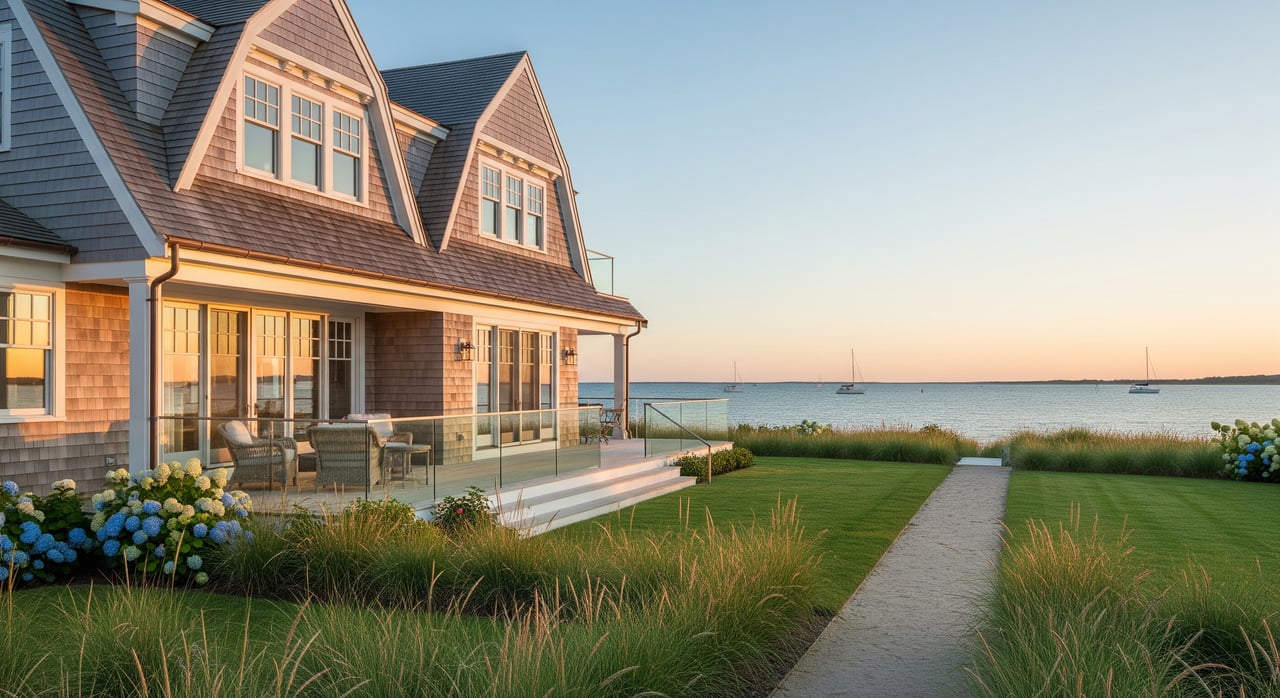
Coastal properties
- Advantages: Water access, views, and strong seasonal rental demand.
- Tradeoffs: Higher purchase and insurance costs, exposure to storms and erosion, and stricter building setbacks and permits.
- What to assess: Flood zone designation, elevation, shoreline stability, past insurance claims, and any seawall or dune protections.
Village or inland homes
- Advantages: Year-round services, easier maintenance, and typically lower exposure to coastal hazards.
- Tradeoffs: Less direct water access; some village locations still sit near flood-prone bays, rivers, or ponds.
- What to assess: Municipal water or private well status, septic system details, and proximity to main roads and seasonal traffic.
Bay, river, or pondfront nuance
- Shelter: Bay and riverfront homes may be more protected than Atlantic-facing lots.
- Access: Many beaches and landings are managed by towns with resident permits and parking rules.
- Tidal vs freshwater: Tidal ponds have different regulatory and erosion factors than freshwater ponds.
Getting around and seasonality
Commuting and seasonal patterns shape daily life on the Cape. Plan with realistic timing and backup options.
- Commuting to Boston: Drive times are often 1.5 to 2 or more hours depending on town and traffic. The Bourne and Sagamore bridges are chokepoints, especially on summer weekends.
- Transit and travel: Seasonal rail connects Boston to Hyannis in summer. Ferries run from Hyannis and Falmouth to the islands. Barnstable Municipal Airport offers regional flights.
- Summer surge: Population increases in warm months can affect traffic, parking, and restaurant availability. Some businesses operate on limited winter schedules, especially in smaller towns.
- Market rhythm: Listings and showings tend to peak spring through summer. Short-term rental demand is strongest in summer.
What you can buy on the Cape
Barnstable County’s housing stock ranges from historic cottages to custom waterfront homes. Expect to see a wide mix as you tour.
Common styles
- Cape Cod cottages and saltbox homes
- Shingle-style and Victorian homes in historic villages
- Mid-century ranches and bungalows in post-war neighborhoods
- Contemporary builds and infill where zoning and lot sizes allow
- Condos and townhomes, including some 55+ and waterfront complexes
Property types
- Year-round single-family homes
- Seasonal cottages with smaller footprints
- Condominiums and co-ops with HOA rules to review
- Waterfront estates and renovated historic properties
- Small multi-family or investment properties where permitted
Infrastructure to check
- Septic systems: Most homes rely on private septic regulated by Massachusetts Title V. Lot size, soil, and replacement history matter.
- Water: Some addresses use private wells. Others connect to municipal water. Service varies by town and village.
- Flood and storm risk: FEMA flood maps guide lender and insurance requirements. Elevation and past storm history influence coverage.
- Internet and cell: Coverage varies by area. Confirm providers and speeds by address, especially in remote towns.
Understanding price bands
Exact prices change quickly. Instead, think in terms of three broad bands to set expectations and refine your search.
Entry and affordability band
- What you will see: Small condos, modest inland ranches, or seasonal cottages that may need updates.
- Who it fits: First-time buyers, downsizers, or anyone seeking a lower entry point or future rental income.
- What to weigh: Renovation costs, septic upgrades, and limited municipal services in some areas.
Mid-market family homes
- What you will see: Well-kept 2 to 3 bedroom homes in village neighborhoods, renovated cottages, and some subdivision options.
- Who it fits: Year-round buyers who want services, schools, and a balanced commute within the Cape.
- What to weigh: Tradeoffs between proximity to beaches and everyday convenience like shopping and medical care.
Upper and premium coastal
- What you will see: Waterfront homes, larger renovated shingle-style or custom builds, and prime historic village properties.
- Who it fits: Second-home buyers and year-round residents prioritizing views and direct water access.
- What to weigh: Higher insurance and maintenance costs, stricter permitting, and coastal resiliency planning.
Key regulations to know
Local and state rules protect health, safety, and shoreline integrity. Build these checks into your due diligence.
- Title V septic inspection: Required on sale. Failing systems can be expensive to replace. Ask for inspection history and permits.
- Flood zones and insurance: Lenders may require flood insurance in Special Flood Hazard Areas. Verify FEMA maps and any elevation certificates.
- Coastal permitting and setbacks: Building near the shore often needs Conservation Commission approval and compliance with state rules. Understand setbacks before planning additions.
- Short-term rentals: Many towns require registration or have occupancy and safety standards. Review bylaws and HOA rules if you plan to rent.
- Historic districts and design review: Towns such as Sandwich and Chatham may have standards that affect exterior changes.
- Wetlands and conservation: Restrictions can limit clearing, additions, and hardscaping near protected resources.
- Utilities and connections: Municipal water and sewer access is limited in many areas. Confirm well and septic permits and any future connection restrictions.
Smart buyer checklist
Use this list to keep your search organized and reduce surprises.
- Confirm whether the property is in a FEMA flood zone and request any elevation certificate.
- Review the Title V inspection and septic maintenance history.
- Verify short-term rental rules, registration needs, and HOA restrictions.
- Request recent utility bills and any shoreline maintenance or insurance claim history for waterfront homes.
- Check commute times at peak and off-peak hours and note summer traffic patterns.
- Confirm broadband and cellular options by address.
- Identify nearest year-round services such as medical care, groceries, and emergency services.
- Ask about any conservation restrictions, historic district guidelines, or village design review.
- Hire a home inspector with coastal experience, including foundations, bulkheads, and piers where relevant.
Finding your fit on Cape Cod
If you are drawn to Barnstable County, you have great options. Start by choosing your lifestyle first, whether that is a walkable village, a calm bayfront, or an Atlantic-facing beach. Then align your property type, maintenance appetite, and budget band with the right town. With the right plan, you can enjoy Cape living year-round or as a seasonal escape.
Ready to compare towns, refine your budget, and map out inspections and contingencies? Reach out to the team at Christine Lavery - Main Site for practical, step-by-step guidance from offer to closing.
FAQs
How long is the commute from Barnstable County to Boston?
- Typical drive times range from about 1.5 to 2 or more hours depending on town and traffic, with added delays near the Bourne and Sagamore bridges, especially in summer.
Do Cape Cod homes require flood insurance?
- If a property sits in a FEMA Special Flood Hazard Area, lenders often require flood insurance, so check the flood map, elevation data, and past storm history.
What should I know about septic systems when buying on the Cape?
- Most homes use private septic regulated by Title V, so review the inspection report, system age, any permits, and whether the lot can support a repair or upgrade.
Are short-term rentals allowed in Barnstable County towns?
- Many towns allow them with local registration or safety rules, but specifics vary by town and HOA, so review current bylaws and association documents.
When is the best time to shop for Cape homes?
- Spring through summer often brings more listings and showings, while off-season months can offer less competition but fewer options.
How reliable is internet service in Outer Cape towns?
- Coverage varies by provider and location, so confirm broadband options and speeds by address, especially in more remote areas.