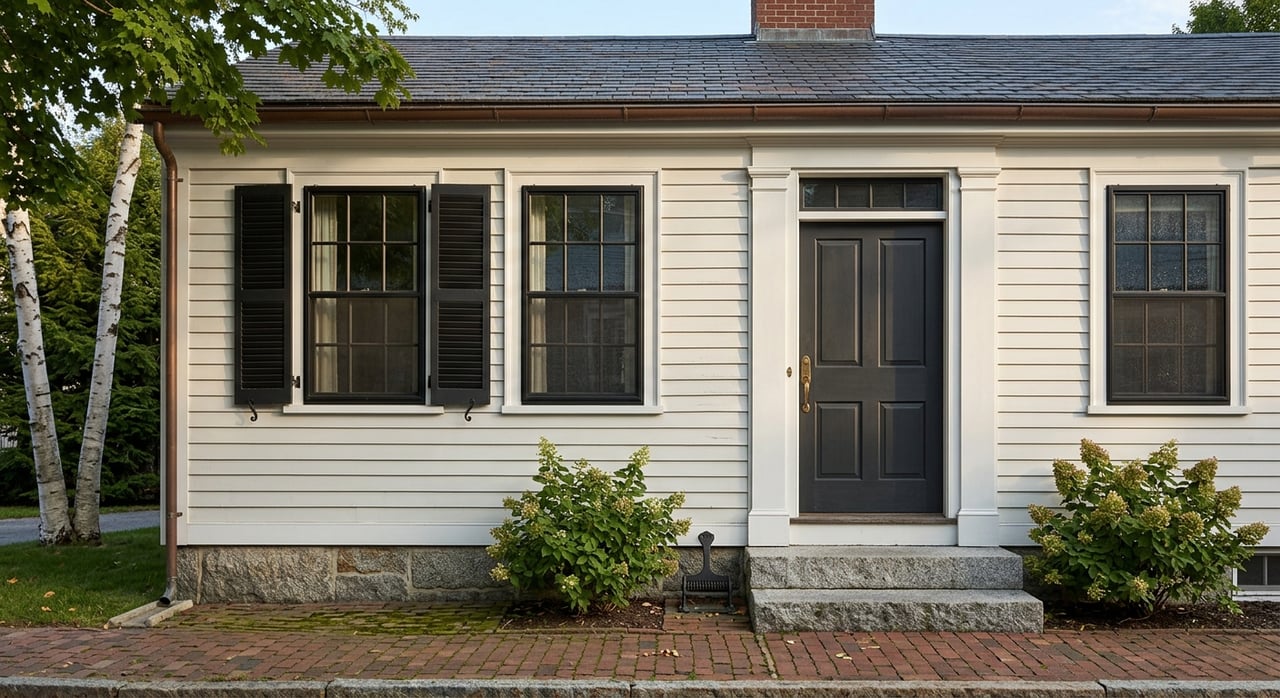
Historic Homes In Peterborough NH: What Buyers Should Know
July 23, 2026
July 23, 2026
Looking at a historic home in Peterborough? It is easy to fall for the original woodwork, classic windows, old porches, and the kind of character that newer homes rarely match. If you are drawn to an older property here, you also need a clear picture of what comes with that charm, from inspections and testing to local research and possible review rules. This guide will help you understand what to look for before you buy, so you can move forward with confidence. Let’s dive in.
Peterborough has a strong historic identity, especially around its village center. The downtown historic area includes parts of Main Street, Grove Street, Concord Street, and the area near the Contoocook River and Nubanusit Brook, where commercial, civic, religious, industrial, and residential buildings all shaped the town’s development.
For buyers, that means you are not just shopping for a house. You are often looking at a home that sits within a larger historic streetscape with long-standing patterns of architecture, scale, and layout. That sense of place is a big part of why older homes in Peterborough feel so distinctive.
It is also worth knowing that some historic buildings have had updates over time, such as replacement siding or newer windows. Even so, the town’s historic documentation notes that many of these buildings still keep their overall form, massing, and door and window patterns, which can preserve much of their historic character.
Peterborough’s older housing stock is not all one style. The town’s historic records identify a mix of center-chimney capes, Carpenter Gothic homes, Colonial Revival buildings, mill-related housing, and Victorian-era rebuilding in parts of downtown.
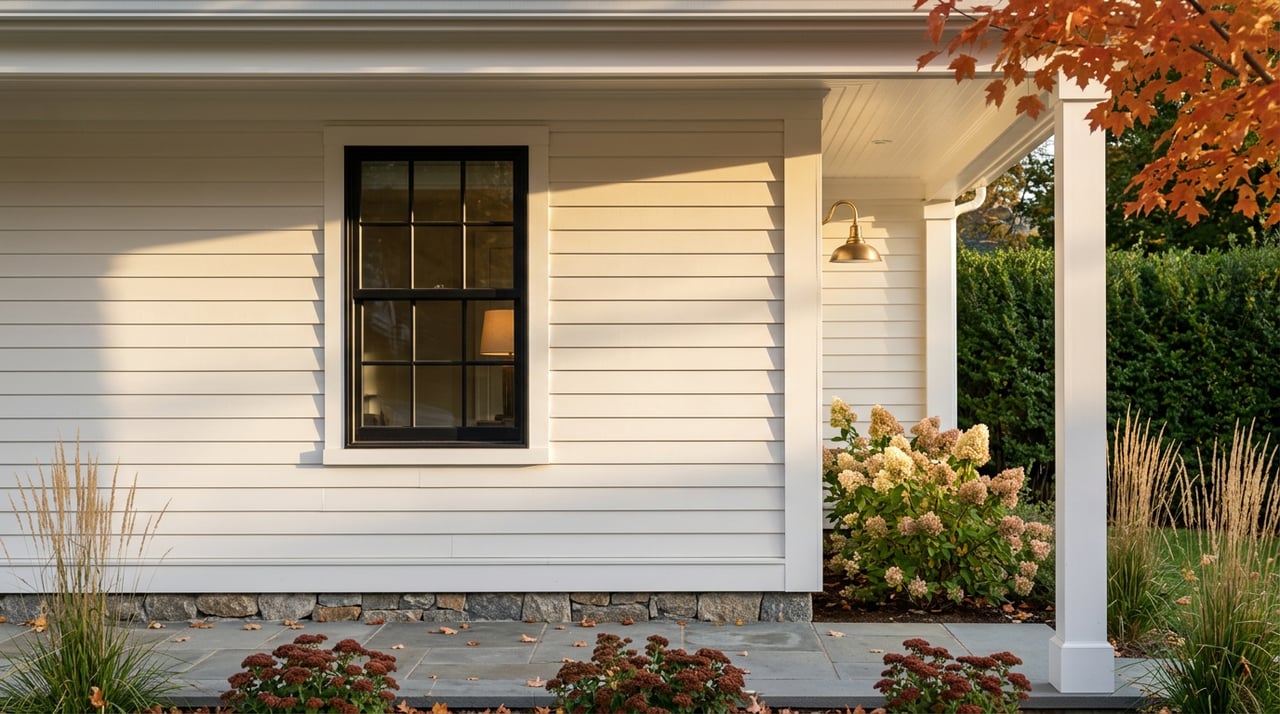
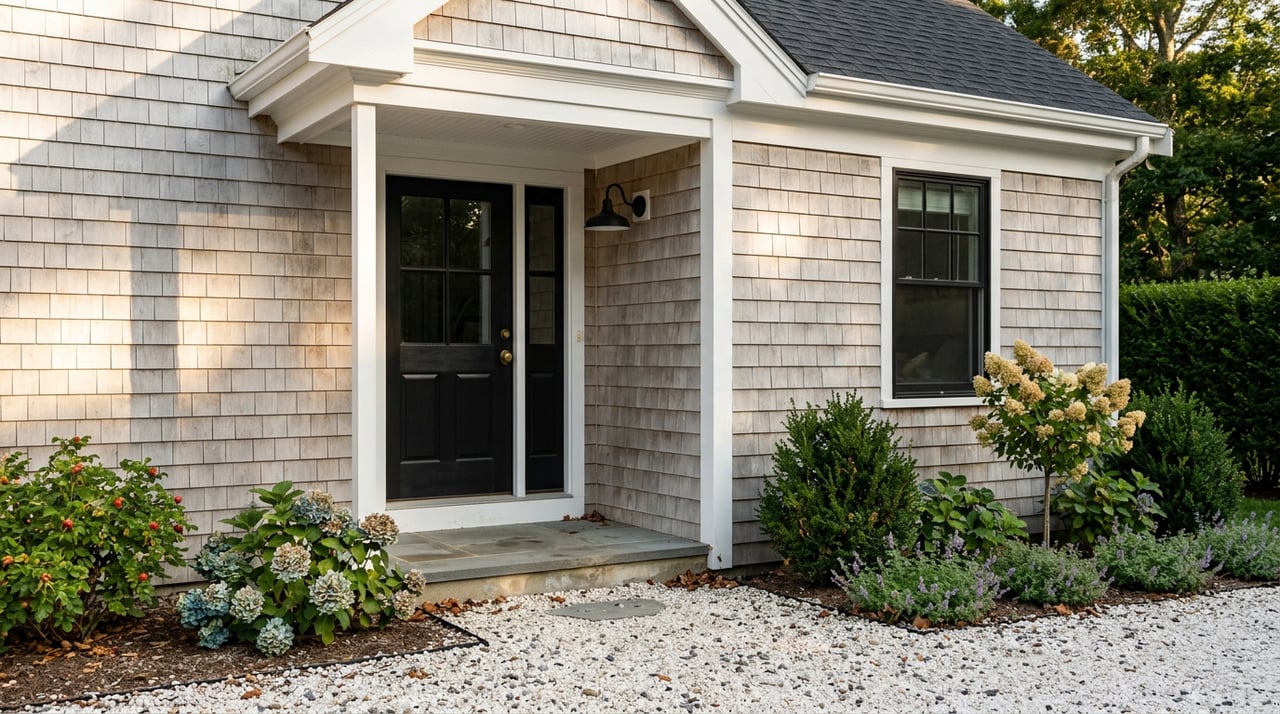
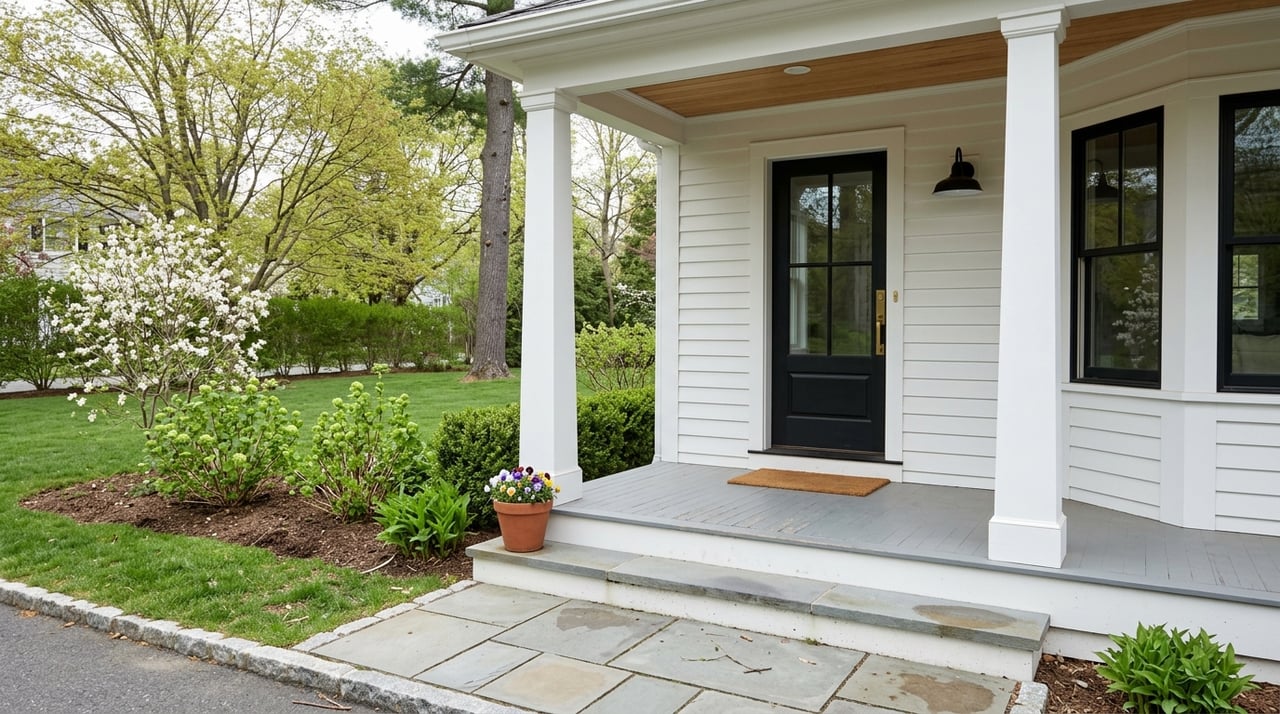
That variety is part of the appeal. In many cases, what stands out most is not a formal architectural label, but the details you can see and feel every day, like porch depth, trim work, brick or wood materials, window proportions, and room scale.
When you tour historic homes in Peterborough, you may see features like:
Some properties in town are individually listed on the National Register, but many homes on the market are simply older houses with historic character rather than formally protected landmarks. That distinction matters when you start asking questions about renovation plans or oversight.
Historic homes are not automatically problem homes. But they usually reward a slower, more careful buying process than a newer property.
In New Hampshire, a home inspection is a licensed, visual exam of accessible systems and components. That includes structural elements, the foundation, roof, heating, cooling, plumbing, electrical, interior and exterior components, and site aspects.
For an older home, that general inspection is the starting point, not always the finish line. If the house shows signs of aging systems, older materials, or visible concerns, you may want follow-up evaluations from specialists before your inspection deadline ends.
A licensed inspector can help you identify visible issues and areas that need more review. With a historic home, this is especially useful because age-related wear can show up in several systems at once.
A solid inspection can help you understand:
If the home was built before 1978, lead-based paint should be on your radar. Federal rules require sellers of most pre-1978 housing to disclose known lead information before the sale, and buyers generally have a 10-day window to conduct a lead inspection or risk assessment unless that opportunity is waived.
That does not mean every older home is unsafe. Lead paint in good condition is usually less of a concern than paint that is peeling, chipping, or being disturbed during repairs or remodeling.
Lead concerns can be greater on surfaces that rub or wear over time. In older homes, that often includes:
If you plan to update a historic home after closing, lead-safe work practices matter. That is especially important if your improvements involve older painted surfaces.
Radon is a major issue across New Hampshire, and testing is the only way to know if a house has a problem. State health guidance says any house can have radon, and buyers should test during the purchase process.
If a previous radon test is more than two years old, New Hampshire guidance says new testing should be done. This can be especially important if you are buying an older home where conditions may have changed over time.
New Hampshire’s seller notification law also specifically flags radon, along with arsenic, lead, PFAS, and flood risk, before contract. For Peterborough buyers, that is especially relevant if a property is near waterways or has a private well.
Some Peterborough properties, especially outside the more central village setting, may be served by private wells. If that is the case, water testing should be part of your due diligence.
New Hampshire DES recommends testing for common well-water contaminants seen in the state. That includes radon, arsenic, bacteria, lead, copper, sodium, uranium, and PFAS.
A historic property can have a lot of visual charm, but water quality is not something you can judge from appearance alone. If the home has a private well, testing helps you understand the property more fully before closing.
This is one of those practical steps that can protect both your budget and your peace of mind.
If a historic home has older siding, roofing, or other legacy materials, you may need to pause before jumping into repairs. Some older exterior materials may require extra caution if asbestos is a possibility.
That does not mean you should assume the worst. It simply means you should understand what you are buying before starting renovation work, especially if materials will be cut, removed, or replaced.
In practical terms, this is about planning. If suspicious materials are present, bringing in the right specialist can help you avoid surprises later.
One of the most common mistakes buyers make is assuming that every historic-looking home is in a regulated historic district. In Peterborough, that may not be the case.
The New Hampshire Division of Historical Resources lists Peterborough as having a Heritage Commission, not a separate Historic District Commission. The town’s 2006 master plan also noted that while a historic-district workbook was on file, the district was not established at that time.
You should verify the status of the specific property you want to buy rather than rely on assumptions. Depending on the property and local authorization, a heritage commission may still have a role in preservation-related matters.
State law allows municipalities to create historic districts and regulate construction, alteration, repair, moving, demolition, or use within them. At the same time, state-register listing by itself does not prohibit an owner from taking otherwise lawful actions.
If you are considering major updates, it is smart to check with the town early. That extra step can save time and help you plan improvements more realistically.
In some designated downtown or village-center areas, RSA 79-E may offer short-term property tax relief for substantial rehabilitation of qualifying structures. This will not apply to every purchase, but it can be worth asking about if you are looking at a larger rehab project.
Because eligibility depends on the property and the scope of work, buyers should confirm details with the town. It is not something to assume, but it may be useful if your plans involve meaningful restoration or redevelopment.
Peterborough is unusually well documented for buyers who want to dig deeper into a property’s past. The town’s historic resources chapter notes that local records and historical collections may include deeds, tax records, maps, architectural plans, photographs, newspapers, and other materials.
That can be incredibly helpful if you want to confirm an old story about the house, understand changes over time, or simply learn more about what you are buying. The same source also warns that local folklore can shape a property’s story, so it is wise to verify details in more than one place.
If you are serious about a historic home in Peterborough, consider asking:
Buying a historic home in Peterborough can be deeply rewarding. You may get timeless design, a strong sense of place, and details that are hard to recreate today.
At the same time, older homes ask more from you as a buyer. The smartest path is usually a careful one that includes a licensed New Hampshire home inspection, radon testing, lead due diligence for pre-1978 homes, private well testing when applicable, and specialist input when older materials raise questions.
That kind of homework is not about being fearful. It is about making a confident decision and understanding the house in front of you, not just the charm that first caught your eye.
If you are exploring historic homes in Peterborough or anywhere in the Monadnock region, Christine Lavery - Main Site can help you evaluate the details, navigate inspections, and move through the process with local insight and steady guidance.
Stay up to date on the latest real estate trends.


We'd love to hear from you! Whether you're buying, selling, or just exploring your options, we're here to provide answers, insights, and the support you need. Contact us and start planning your next move.