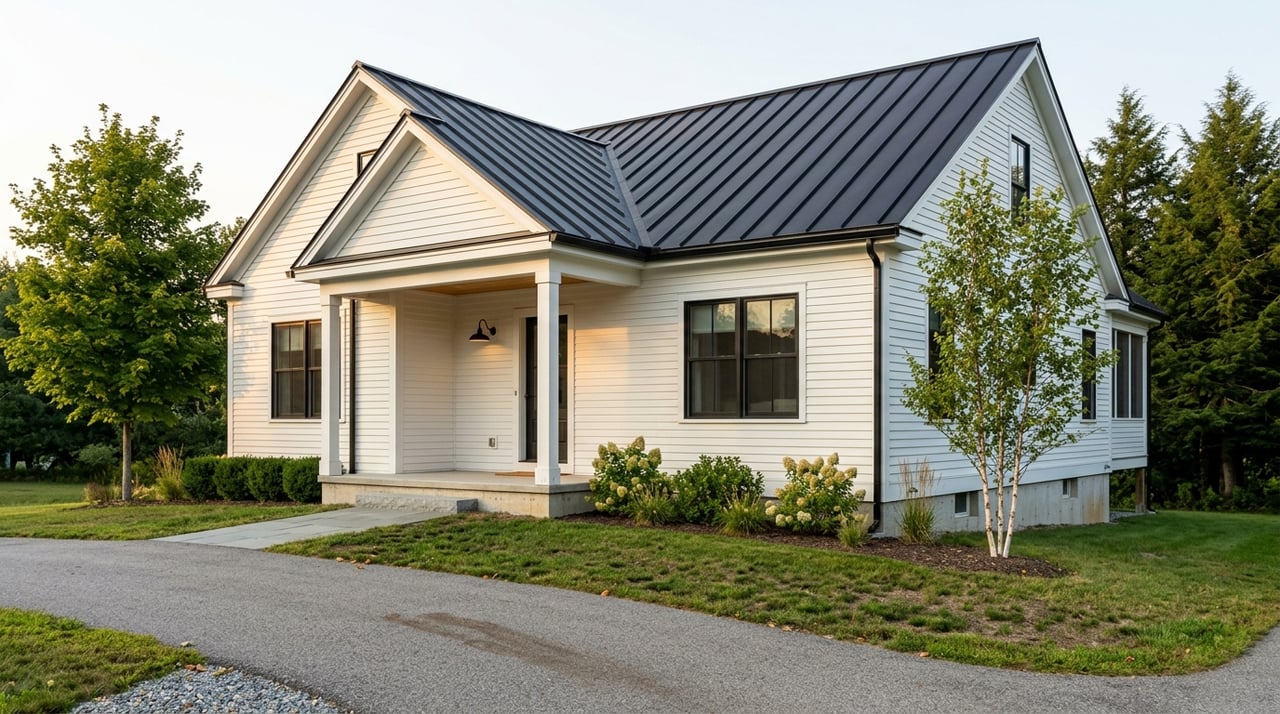
Buying Land in Swanzey NH Before You Build a Home
July 2, 2026
July 2, 2026
Thinking about buying land in Swanzey and building your own home? It can be an exciting path, but raw land often comes with more questions than an existing house. Before you fall in love with a floor plan or a pretty stretch of road, you need to know whether the lot can actually support the home you want. This guide walks you through the key steps to help you plan wisely in Swanzey. Let’s dive in.
When you buy land in Swanzey, the first job is not choosing finishes or sketching a layout. It is confirming that the parcel can legally support a home under the town’s zoning rules. That means looking at the zoning district, lot size, frontage, setbacks, and any special land constraints.
Swanzey has several zoning districts, including Rural/Agricultural, Residence, Business, Wetlands Conservation, Shoreland Protection, and Flood Plain districts. The district matters because each one can have different standards for what is allowed and how a lot can be used. A parcel that looks usable at first glance may still have limits that affect whether and how you can build.
In Swanzey, common residential dimensional standards vary by district. In the Rural/Agricultural District, lots generally need at least 3 acres and 225 feet of frontage on a town- or state-maintained road. The usual setbacks there are 30 feet in front and 20 feet on the sides and rear.
In the Residence District and Business District, lots generally need at least one-half acre and 100 feet of frontage. Those districts also generally use a 30-foot front setback and 20-foot side and rear setbacks. In the Residence District, building height is also limited to 35 feet.
Some smaller existing lots of record may still be buildable. Swanzey allows a permitted building on an existing lot of record with at least 8,000 square feet and 80 feet of frontage, as long as the site can support adequate water and sewage disposal without endangering neighboring uses. The town also allows no more than one one-family dwelling on a lot.
A parcel’s total size does not always match its usable building area. In Swanzey, wetlands and land with slopes of 25% or greater cannot be counted toward minimum lot size. That can make a lot feel much smaller from a practical building standpoint.
This is one of the biggest reasons land buyers should review site conditions early. A lot may meet acreage requirements on paper, but if too much of that land is wet or steep, your home placement, septic area, and driveway layout can become much more complicated.
Road frontage is a major part of buildability in Swanzey. If a parcel does not have enough frontage in its district, it may not qualify as a standard building lot. That question should be answered before you focus on house plans.
Rear lots also have specific rules. Swanzey requires at least 3 acres, a 50-foot access strip from a public street, and only one housing unit using that access. If you are considering a tucked-away parcel off the road, those access rules can have a big impact on your options.
For raw land, water and septic planning often drive the budget and the layout. In Swanzey, a new single-family home’s septic system must be designed for a three-bedroom residence. The town also says new septic systems cannot be installed until a building permit has been issued for the structure they will serve.
That timing matters because buyers sometimes assume they can solve septic first and everything else later. In reality, the permit path is connected, and you want your lot review, design, and approvals moving in the right order.
Private well planning matters just as much. New Hampshire Department of Environmental Services says homeowners are responsible for testing private-well water, and private wells are not regulated the same way as public water systems. Well placement should be coordinated with the septic designer and well driller because site selection is regulated relative to septic systems.
If you are buying vacant land, it helps to plan for water testing and careful well siting from the beginning. According to NHDES, private wells can contain naturally occurring or human-related contaminants such as bacteria, arsenic, uranium, manganese, radon, PFAS, septic discharges, and road salt impacts.
That does not mean a lot is unsuitable. It simply means you should treat well planning as part of your due diligence, not an afterthought after closing. Early coordination can help you avoid layout conflicts and surprise costs later.
If a parcel is near water, low-lying ground, or visibly wet areas, expect a closer review. Swanzey has separate Wetlands Conservation, Shoreland Protection, and Flood Plain districts, and those overlay rules may affect where you can build.
The town’s wetlands provisions require leach fields and dry wells to be at least 125 feet from designated wetlands. Wetlands also cannot be used to satisfy minimum lot area or setback requirements. For buyers, that means environmental features can affect both design flexibility and total project cost.
In Swanzey, the order of approvals matters. A building permit is required before foundations or construction begin. The Code Enforcement Officer is not supposed to issue permits until all applicable driveway, fire, septic, wetland, Zoning Board of Adjustment, Planning Board, or other required permits are already in place.
That sequence is important when you are budgeting time. Even a straightforward build can involve several moving parts, and any delay in one approval can affect the rest of the project. A certificate of occupancy or completion is also required before the home can be occupied.
Swanzey’s building regulations defer to state requirements when state standards are stricter. New Hampshire’s current building code adoption includes the 2021 International Residential Code, 2021 International Building Code, 2021 International Plumbing Code, 2021 International Mechanical Code, the 2018 International Energy Conservation Code, the 2021 International Swimming Pool and Spa Code, and the 2023 National Electrical Code.
For you as a buyer, that means the home design is not just about personal preference. The plans and construction will need to align with current state code as well as local permit requirements.
If the land purchase involves creating a new lot or splitting land, subdivision review may come into play. Under New Hampshire law, planning boards adopt subdivision regulations that may address roads, drainage, utilities, minimum lot sizes, and other health-and-safety concerns.
Swanzey’s ordinance also says conservation residential subdivisions require Planning Board approval and must comply with subdivision regulations. If you are buying part of a larger parcel, this is a key issue to confirm early.
Buying land and building a home usually works best when you bring in the right professionals upfront. Depending on the parcel, that may include a surveyor, septic designer, well driller, builder, and lender. On more complex sites, that early coordination can save you time, money, and frustration.
This is especially true for lots with limited frontage, steep slopes, wetlands, rear-lot access, or uncertain utility service. The sooner you understand the site, the easier it is to make a confident decision about whether the property fits your goals.
If you are comparing land in Swanzey, these are some of the most important due-diligence questions to ask:
The goal is simple: answer these questions before you commit to a lot or finalize a floor plan. That approach helps you avoid buying land that looks promising but turns out to be difficult or expensive to develop.
Land purchases are different from buying an existing home. There are more unknowns, more specialists involved, and more room for a small issue to become a big delay. In a town like Swanzey, where zoning, frontage, septic, and environmental constraints can all shape the project, local guidance matters.
When you work with a brokerage that understands the Monadnock region, you can approach the process with a clearer plan. That means asking better questions early, building the right team, and moving forward with more confidence.
If you are thinking about buying land and building a home in Swanzey, a local conversation can help you sort through the practical details before you make a commitment. Reach out to Christine Lavery - Main Site for a personalized consultation on land, buildability, and your next move.
Stay up to date on the latest real estate trends.

We'd love to hear from you! Whether you're buying, selling, or just exploring your options, we're here to provide answers, insights, and the support you need. Contact us and start planning your next move.